

The Definitive Guide to Pest Control in Delhi NCR: Protect Your Home, Health, and Family
Pest infestations are one of the most frustrating, stressful, and destructive problems a homeowner or business owner in Delhi NCR can face. From cockroaches crawling across kitchen counters in Noida to termites silently eating through expensive teak wood doors in Gurgaon, and rodents chewing through electrical wires in South Delhi, pests are an ever-present threat.
The unique climate of the National Capital Region (NCR)—characterized by scorching summer heat, intense monsoon humidity, and rapid urban growth—creates the perfect breeding ground for a wide variety of pests. If left unchecked, what starts as a minor nuisance can quickly escalate into a severe health hazard, cause thousands of rupees in property damage, and ruin your peace of mind.
This comprehensive guide provides everything you need to know about professional pest control in Delhi NCR. Whether you are dealing with an active infestation or looking to safeguard your property, this expert guide covers causes, health risks, treatment processes, pricing, safety protocols, and how to choose the right service provider.
Why Pest Control is Critical in Delhi NCR
Delhi NCR’s tropical semi-arid climate, combined with high population density and rapid construction, presents unique pest control challenges. Pests are not just an aesthetic issue; they are a threat to your health and property.
1. The Climate Catalyst
The extreme summer heat (frequently crossing 45°C) followed by high humidity during the monsoon season triggers rapid reproduction cycles for insects. Cockroaches, mosquitoes, and termites thrive in humid environments. The drop in temperature during winter pushes rodents and bed bugs indoors in search of warmth and food.
2. High Density and Connected Dwellings
In high-rise apartments across Noida, Greater Noida, and Gurgaon, wall cavities and utility ducts are shared. If one apartment has a cockroach or bed bug infestation, it can easily travel to neighboring units. This makes localized prevention difficult and highlights the need for systemic, building-wide pest management.
3. Rapid Urban Development and Construction
Excavation for new metro lines, roads, and residential complexes disrupts natural underground habitats. This forces rodents, snakes, and subterranean termites out of the soil and into nearby homes and commercial office spaces.
Common Pest Infestations and Their Symptoms
Identifying the signs of an infestation early is key to minimizing damage. Here are the most common pests in Delhi NCR and how to spot them:
Cockroaches (German and American)
Cockroaches are vectors for pathogens that cause food poisoning, gastroenteritis, and severe asthma attacks. They hide in dark, damp spaces like kitchen cabinets, under sinks, and behind refrigerators.
- Symptoms: Tiny black pepper-like droppings, oval-shaped egg cases (oothecae), a musty odor, and sighting live insects at night.
Termites (White Ants)
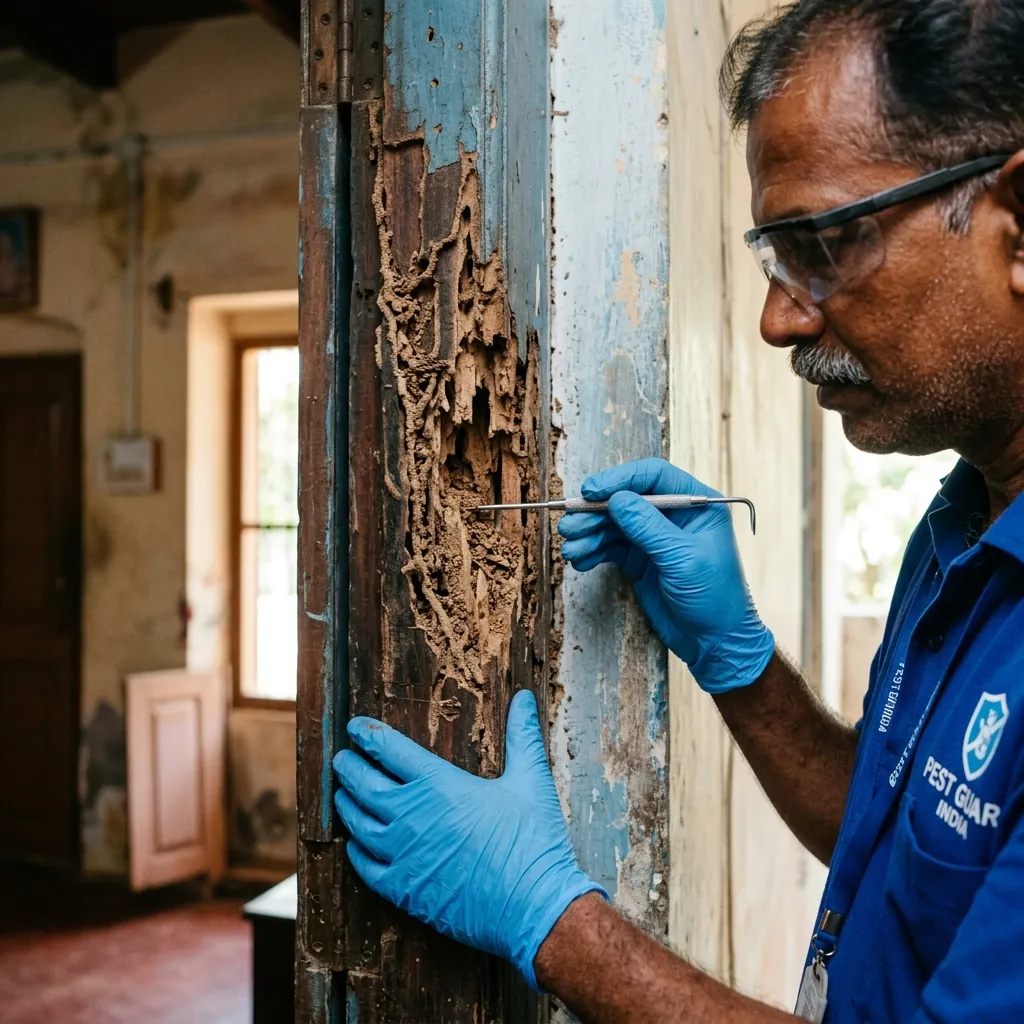
Termites are the most destructive wood-boring pests in India, capable of ruining furniture, door frames, modular kitchens, and even structural wooden beams.
- Symptoms: Mud tubes climbing up walls or wooden panels, hollow-sounding wood when tapped, discarded wings near windows, and fine wood dust (frass).
Bed Bugs
Bed bugs feed on human blood, causing itchy red welts, skin rashes, and sleep deprivation. They are easily transported via luggage, clothing, and second-hand furniture.
- Symptoms: Small reddish-brown stains on bedsheets, tiny dark spots of fecal matter on mattresses, discarded skins, and unexplained itchy bites in a line or cluster on your body.
Rodents (Rats and Mice)
Rats and mice chew through wood, plastic, drywall, and electrical wiring, creating fire hazards. They also spread dangerous diseases like Leptospirosis and Hantavirus.
- Symptoms: Gnaw marks on food packaging, cabinets, or wires; capsule-shaped droppings; scratching noises in ceilings or walls; and greasy rub marks along baseboards.
Mosquitoes
With outbreaks of Dengue, Malaria, and Chikungunya occurring annually in Delhi NCR, mosquito control is a critical health necessity.
- Symptoms: High concentrations of mosquitoes in shaded areas, standing water breeding sites, and buzzing sounds near dark corners.
The Real Cost of Neglect: Health Risks and Property Damage
Delaying pest control is a gamble with your health and your wallet. Let's look at the real impacts of unresolved infestations:
| Pest Type | Primary Health Risks | Potential Property Damage | Cost of Delay |
|---|---|---|---|
| Termites | Low direct health risk; can trigger mold allergies | Structural collapse, ruined furniture, damaged drywall | Extremely High (₹50,000 - ₹2,00,000+) |
| Cockroaches | Asthma, food poisoning (Salmonella, E. coli) | Contamination of appliances, stained cabinets | Medium (₹5,000 - ₹15,000 for appliance repair) |
| Rodents | Leptospirosis, Hantavirus, rat-bite fever | Chewed electrical wires (fire risk), ruined upholstery | High (₹20,000 - ₹1,00,000+ for wiring/fire repair) |
| Bed Bugs | Severe itching, skin infections, insomnia | Ruined mattresses, couches, and hotel reputation | Medium-High (₹15,000 - ₹50,000 for replacement) |
| Mosquitoes | Dengue, Malaria, Chikungunya, Zika | None | High (Medical bills, hospitalization) |
Why DIY Pest Control Often Fails
Many homeowners try to resolve pest problems using over-the-counter sprays, chalks, traps, or home remedies. While these may kill a few individual insects, they rarely solve the underlying problem. Here is why DIY methods fail:
1. Inability to Target the Nest
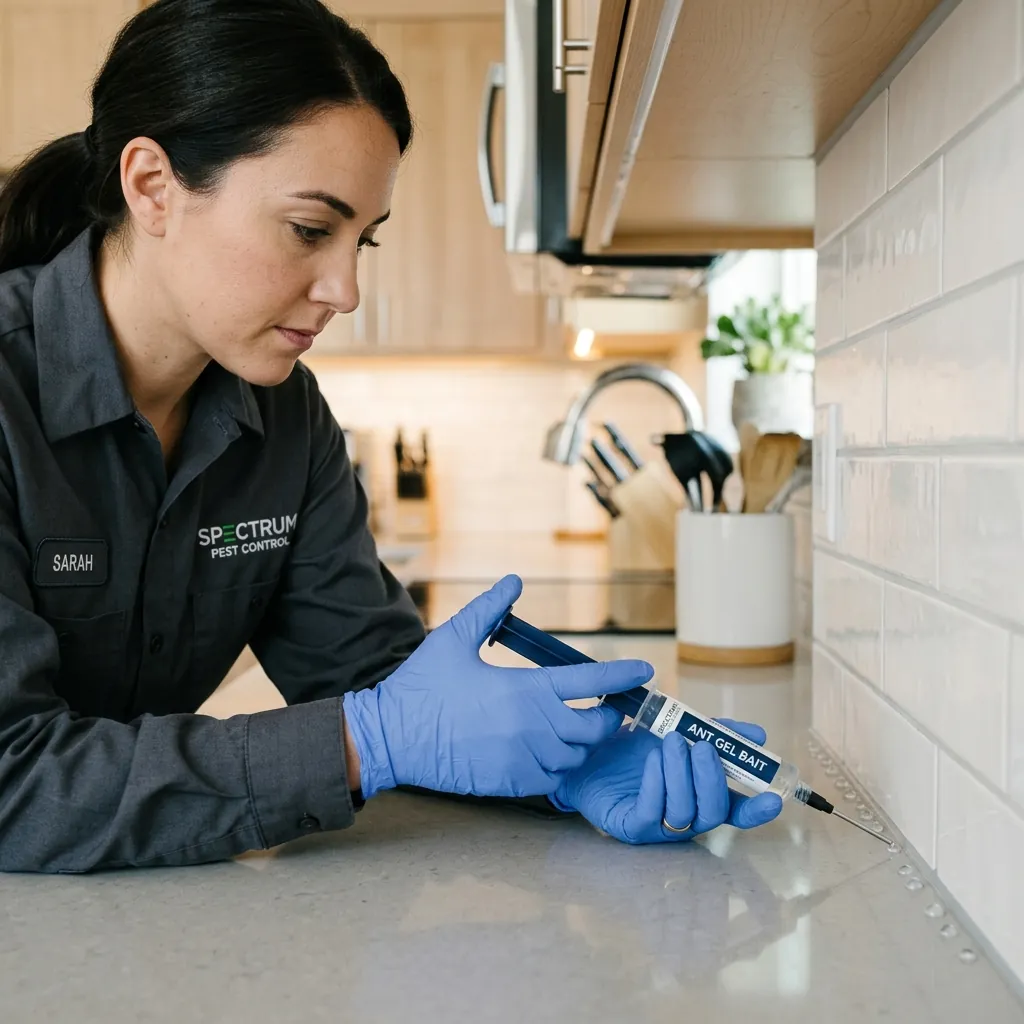
Spraying an aerosol can at a cockroach kills that specific insect, but does not affect the hundreds of others hiding deep inside wall cracks and cabinet joins. Professional pest control relies on systemic baits (like cockroach gels) that pests carry back to the colony, wiping out the nest.
2. Pests Developing Resistance
Improper and repetitive use of low-grade consumer chemicals can cause pests to develop genetic resistance. For example, German cockroaches are highly resistant to many off-the-shelf aerosol sprays.
3. Lack of Specialized Equipment
Treating termites requires drilling deep into walls and floors to inject chemical barriers into the soil. Treating bed bugs requires high-pressure steam and professional-grade residual sprays. These tools and chemicals are not available to the general public.
4. Safety Risks
Using industrial-grade chemicals without proper personal protective equipment (PPE) or knowledge of dilution ratios can lead to accidental poisoning of family members, children, and pets. Professional technicians are trained in chemical safety, application zones, and environmental hazards.
The TrustXcare Professional Treatment Protocol
At TrustXcare, we follow an ISO-certified, multi-stage Integrated Pest Management (IPM) methodology to ensure safe, effective, and long-term results.
graph TD
    A[Step 1: Thorough Inspection] --> B[Step 2: Risk Assessment]
    B --> C[Step 3: Targeted Treatment]
    C --> D[Step 4: Post-Treatment Monitoring]
    D --> E[Step 5: Preventive Sealing]
    E --> F[Long-Term Protection & Warranty]
Phase 1: Comprehensive Inspection
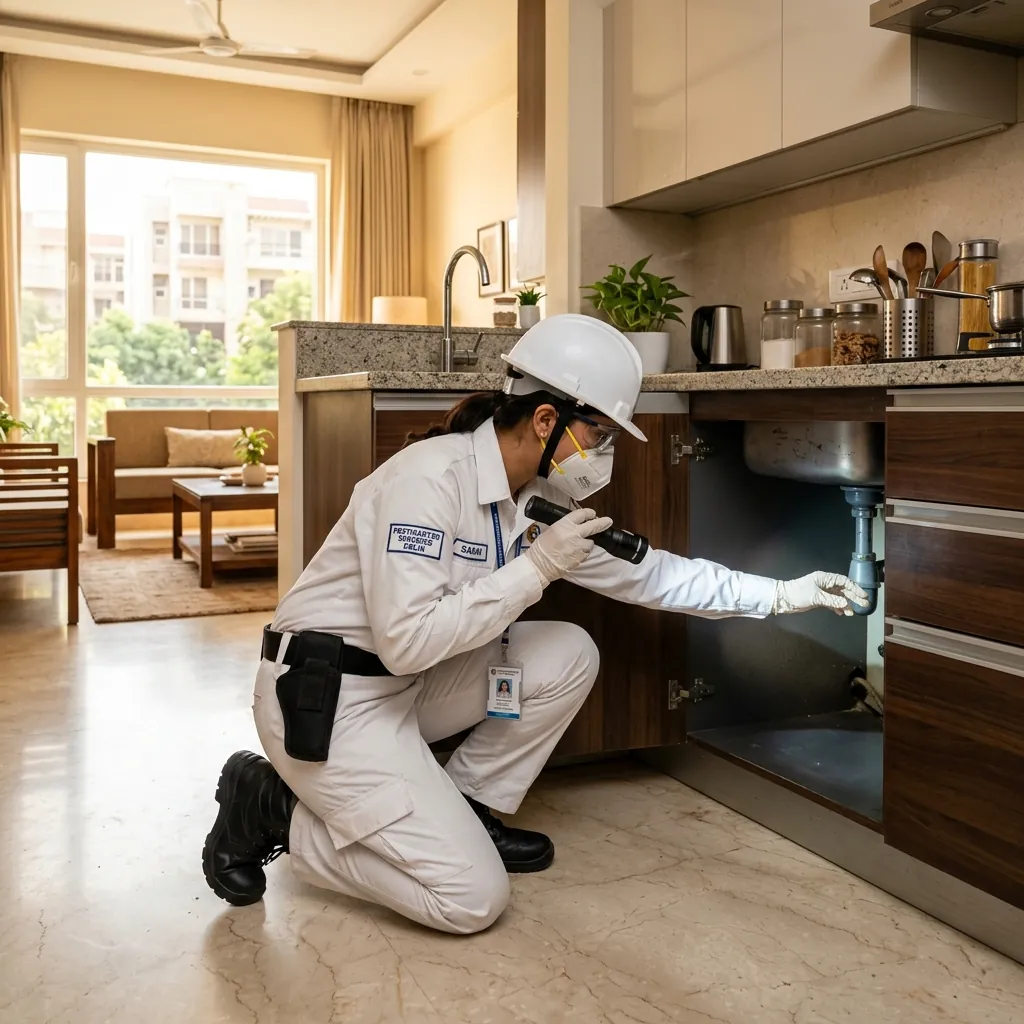
Our certified technicians inspect your property, identifying the pest species, nesting locations, entry points, and moisture sources that attract pests.
Phase 2: Risk Assessment
We evaluate the layout, presence of pets or children, and any sensitive areas (like food preparation zones in restaurants) to customize a safe, effective treatment plan.
Phase 3: Targeted Treatment
Using government-approved, low-toxicity chemicals, we execute targeted treatments. This may include gel baiting for cockroaches, chemical barriers for termites, residual spraying for bed bugs, or bait stations for rodents.
Phase 4: Sanitation and Sealing
We provide recommendations on blocking entry points (like cracks around pipes or under doors) and reducing organic waste to prevent future entry.
Phase 5: Follow-Up and Warranty
We conduct follow-up inspections to ensure the treatment was successful, providing warranties ranging from 3 months to 5 years depending on the service.
Estimated Pest Control Charges in Delhi NCR (2026)
Pest control costs depend on property size, infestation severity, and the type of treatment needed. Below is an estimated price range for residential services in Delhi, Noida, Gurgaon, Faridabad, and Ghaziabad:
| Service Type | 1 BHK / Flat | 2 BHK / Flat | 3 BHK / Flat | Villa / Independent House |
|---|---|---|---|---|
| General Pest Control | ₹999 - ₹1,499 | ₹1,499 - ₹1,999 | ₹1,999 - ₹2,499 | ₹2,999 - ₹4,999 |
| Cockroach Gel Treatment | ₹1,199 - ₹1,699 | ₹1,699 - ₹2,199 | ₹2,199 - ₹2,899 | ₹3,499 - ₹5,499 |
| Bed Bug Steam + Spray | ₹1,499 - ₹2,199 | ₹2,499 - ₹3,499 | ₹3,499 - ₹4,499 | ₹4,999 - ₹7,999 |
| Rodent Control (Baiting) | ₹899 - ₹1,299 | ₹1,299 - ₹1,699 | ₹1,699 - ₹2,199 | ₹2,499 - ₹3,999 |
| Termite Treatment (5Yr) | ₹4,999 - ₹7,999 | ₹7,999 - ₹11,999 | ₹11,999 - ₹15,999 | ₹18,999 - ₹29,999 |
Note: These are estimated market rates. Exact quotes depend on the level of damage and specific structural factors. Contact TrustXcare for a free, customized site inspection and quote.
Seasonal Pest Prevention Checklist
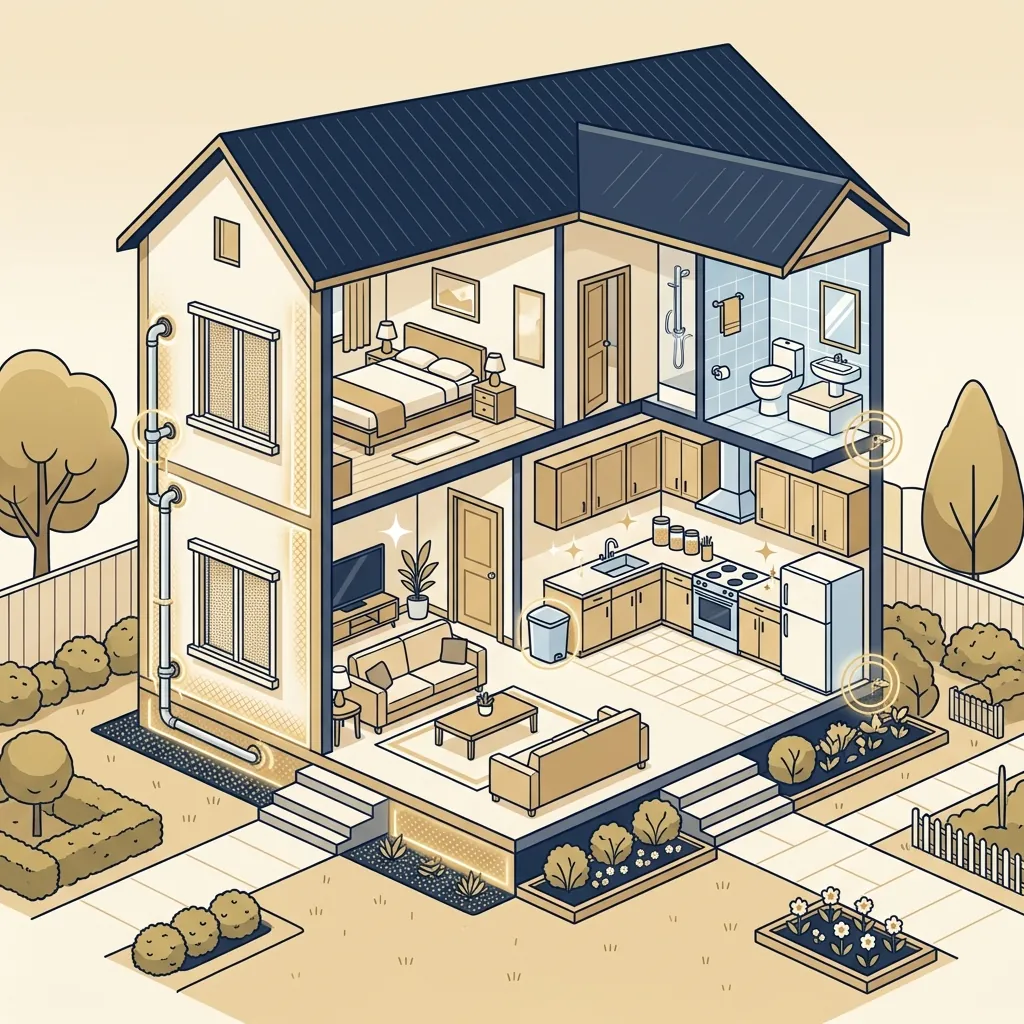
To maintain a pest-free home, follow this quarterly maintenance schedule tailored to Delhi NCR's changing seasons:
Spring (March - May): Termite & Ant Vigilance
- Inspect wooden doors, cabinets, and baseboards for mud tubes.
- Clean outdoor drainage holes and seal cracks in balconies.
- Apply natural ant repellents (like peppermint oil) near entry points.
Monsoon (June - September): Mosquito & Cockroach Prevention
- Clear standing water from coolers, plant trays, and empty buckets to prevent dengue breeding.
- Put mesh covers on kitchen and bathroom drains.
- Keep food stored in airtight containers and wipe counters nightly.
!Pest Prevention Home Infographic
Autumn (October - November): Bed Bug & Insect Check
- Wash bed sheets, curtains, and sofa covers in hot water (above 60°C).
- Vacuum mattress seams, bed frames, and headboards.
- Check luggage and clothing thoroughly after traveling.
Winter (December - February): Rodent & Spider Shield
- Install brush strips under main entrance doors to block rats and mice.
- Seal gaps around AC conduits and plumbing pipes with steel wool or cement.
- Clear cobwebs from high corners and storerooms.
Common Myths vs. Facts
Let's debunk some common misunderstandings about pest control in India:
- Myth: A clean home will never get pests.
Fact: While cleanliness helps, pests like bed bugs, termites, and spiders are not attracted to dirt. Bed bugs enter via luggage, termites travel underground through soil, and spiders search for shelter. Clean homes can still get infested.
- Myth: Professional pest control smells bad and is unsafe for days.
Fact: Modern professional treatments use advanced, odorless, government-approved formulations that do not require you to vacate your home for days. These options are safe for children and pets.
- Myth: Termites can be permanently removed with kerosene.
Fact: Kerosene only kills the termites it touches directly. It does not penetrate the soil to reach the queen, who lives deep underground laying thousands of eggs daily. The infestation will return within weeks.
- Myth: Ultrasonic pest repellers keep mice and bugs away.
Fact: Scientific studies show no evidence that ultrasonic devices prevent or treat pest infestations. Pests quickly adapt to the sound.
Case Study: Termite Prevention in a Gurgaon High-Rise Apartment
The Problem: A client residing on the 14th floor of a high-rise society in Sector 56, Gurgaon, noticed that the wooden frame of their main door was becoming hollow, with mud tubes appearing on the adjoining wall. They had spent over ₹50,000 on DIY wood polishes and localized sprays, but the termites kept returning, eventually spreading to their modular kitchen cabinets.
The Solution: The TrustXcare team conducted a thorough inspection. We discovered that the termites had climbed up the building's main construction joints from the ground level, using electrical shafts and wall cavities. We implemented our systematic Drill-Inject-Seal technology. We drilled 12mm holes at 45-degree angles along the floor-wall junctions and injected premium imidacloprid chemical barriers directly into the masonry. We then sealed the holes with matching cement and treated all wooden panels with specialized oil-based wood preservatives.
The Result: The termite activity stopped completely within 7 days. The client received a 5-year written warranty. Two years later, the apartment remains completely free of termites, protecting their ₹5 lakh modular kitchen investment.
Frequently Asked Questions (20+)
1. Is professional pest control safe for my children and pets?
Yes. TrustXcare uses premium, government-approved, low-toxicity chemicals. We apply gel baits in locations out of reach of children and pets. For liquid sprays, we advise keeping children and pets away from treated areas until they are dry (usually 2 to 3 hours).
2. Do I need to empty my kitchen before a cockroach treatment?
For gel-based cockroach treatments, you do not need to empty your kitchen. We apply tiny dots of gel bait inside cabinet joints, under drawers, and behind appliances without disturbing your items. If a heavy spray treatment is required, we will ask you to remove food items and utensils beforehand.
3. How long does a typical pest control treatment take?
A general pest control service for a standard 3 BHK apartment takes about 45 to 60 minutes. Specialized treatments like termite drilling or bed bug steam treatments can take 2 to 4 hours depending on the property size and severity.
4. Can I stay inside the house during the treatment?
Yes, you can stay inside during odorless treatments like gel application or rodent baiting. For liquid misting or intensive bed bug treatments, we recommend stepping out for 2 to 3 hours until the product has dried and the area has been ventilated.
5. What should I do immediately after the pest control team leaves?
Keep windows open for 15-20 minutes to ventilate the property. Avoid washing or deep-cleaning the treated floors and surfaces for at least 48 hours to allow the residual barrier chemicals to take full effect. Wipe down food preparation counters with a damp cloth if they were exposed.
6. How often should I get pest control done in Delhi NCR?
For residential homes, we recommend a general pest control treatment twice a year (every 6 months) to keep pests like cockroaches and ants at bay. For restaurants, offices, and commercial spaces, monthly or quarterly treatments are recommended due to higher traffic and food exposure.
7. How long will the results of a pest control service last?
General pest control results typically last for 4 to 6 months. Our specialized termite treatment comes with a 3-year or 5-year warranty, meaning we will re-treat your home for free if termites return during that period.
8. Will the chemical sprays stain my walls or furniture?
No. We use advanced water-based micro-encapsulated formulations that do not leave stains on painted walls, wallpapers, or wooden furniture. Our technicians are trained to apply products carefully and avoid delicate fabrics.
9. Why am I seeing more cockroaches after the treatment?
This is normal. The gel bait and residual sprays contain flush-out agents that disturb pests in their hiding spots and draw them out. Within 5 to 7 days, the pests will ingest the bait and die, and you will see a dramatic drop in activity.
10. Does TrustXcare offer a warranty on services?
Yes. We offer a 3-month warranty on cockroach and bed bug treatments, and a written 5-year warranty on our comprehensive post-construction termite treatments.
11. Can termites damage concrete structures?
Termites do not eat concrete, but they can travel through micro-cracks in concrete slabs, plaster, and brickwork to reach wood, plasterboard, and wallpaper. Even homes built on concrete foundations are vulnerable.
12. What is the difference between pre-construction and post-construction termite treatment?
Pre-construction treatment is done during the building phase by treating the soil underneath the foundation. Post-construction treatment is done on existing buildings by drilling holes in the floors and walls to create a protective chemical barrier.
13. How do I prepare my home for a bed bug treatment?
Before our team arrives, wash all bedsheets, pillowcases, and clothing in hot water and dry them on high heat. Empty all drawers and closets in affected rooms, vacuum the mattress seams, and move furniture away from walls.
14. What chemicals does TrustXcare use?
We use only government-approved, eco-friendly, and public health-grade chemicals from trusted global manufacturers like Bayer and BASF. These include Imidacloprid, Fipronil, and Deltamethrin, selected for maximum safety and efficacy.
15. Do I need pest control in a newly built house?
Yes. Construction sites often attract rodents, ants, and termites. Dust and moisture left behind can attract silverfish and booklice. Getting a preventive treatment before moving in ensures a clean start.
16. How do bed bugs get into my house in the first place?
Bed bugs are hitchhikers. They latch onto suitcases, clothes, and purses when you stay in infested hotels, travel on public transport (trains, planes, buses), or purchase second-hand furniture.
17. Can I do termite treatment myself?
DIY termite treatments are highly discouraged. Termites live deep in the ground or behind walls, and standard sprays cannot reach them. Professional treatment requires heavy drilling equipment and specific termiticides applied in precise volumes.
18. Are the chemicals you use eco-friendly?
Yes. We focus on Integrated Pest Management (IPM), which prioritizes non-chemical controls, sealing, and hygiene first. When chemicals are necessary, we use green-labeled, low-toxicity, biodegradable formulations.
19. Do mosquitoes breed in air coolers?
Yes. Standing water in desert coolers is a major breeding site for Dengue mosquitoes (Aedes aegypti) in Delhi NCR. Coolers must be cleaned and dried weekly, or treated with a few drops of larvicidal oil.
20. What cities in NCR do you serve?
TrustXcare offers comprehensive pest control services in Delhi, Noida, Greater Noida, Gurgaon, Ghaziabad, and Faridabad, with technicians stationed locally for fast response times.
Conclusion: Book a Free Inspection with TrustXcare Today
A pest infestation is not something that will resolve on its own. The longer you wait, the larger the colony grows, leading to higher damage, medical risks, and increased treatment costs.
Protect your family, secure your investments, and reclaim your peace of mind. TrustXcare is Delhi NCR’s premier ISO-certified pest management agency, combining science-backed protocols, certified technicians, and transparent pricing.
Contact TrustXcare today to book a comprehensive site inspection and get a customized treatment plan.