


The Integrated Pest Management (IPM) Complete Guide: Sustainable Control
Integrated Pest Management (IPM) is a sustainable, science-based decision-making process that combines biological, physical, cultural, and chemical tools to identify, manage, and prevent pest infestations. Rather than relying on immediate chemical sprays to eliminate insects, IPM focuses on long-term prevention. This approach reduces health and environmental risks while addressing the root causes of pest activity.
For businesses, facilities managers, and homeowners in Delhi NCR—spanning Delhi, Gurgaon, Noida, Greater Noida, Ghaziabad, and Faridabad—IPM is the standard for modern, compliant, and safe pest control operations.
This guide provides a comprehensive manual on Integrated Pest Management (IPM). We cover the core steps of IPM, pest monitoring techniques, physical exclusion methods, chemical safety standards, DIY limitations, and safety checklists to keep your spaces protected.
Understanding the Principles of IPM
To implement IPM effectively, we must understand its core principles and decision-making steps:
- Pest Identification: Accurate identification of the specific pest species is crucial. Knowing whether you are dealing with German or American cockroaches determines the type of baits and treatment areas required.
- Monitoring and Assessment: Regular monitoring using glue boards, pheromone traps, and visual checks helps track pest activity, population levels, and locations.
- Action Thresholds: Establishing thresholds helps determine when control measures are needed. In food preparation areas, the threshold for cockroaches or rodents is zero, requiring immediate action, while minor garden pests may not require treatment.
!Understanding the Principles of IPM
Early Warning Signs of Pest Activity
Consistent monitoring is key to IPM. Spotting early signs of pest activity helps you apply targeted treatments before infestations develop. Look for these key signs:
- Bait and Trap Activity: Catching insects or rodents on monitoring traps or glue boards placed in dark corners.
- Fecal Spots and Smears: Finding droppings along skirting boards or utility pipes, indicating active paths.
- Nesting and Chew Marks: Spotting chewed wood, paper shreds, or cardboard nests in quiet corners.
- Sanitation Gaps: Finding grease buildup, food crumbs, or standing water pools, which attract pests.
Health, Legal, and Environmental Benefits of IPM
Implementing IPM provides several benefits for properties, families, and businesses:
1. Reduced Chemical Exposure
IPM focuses on non-chemical controls like sealing gaps and cleaning, using chemical treatments only when necessary. This reduces chemical residues in living and working areas.
2. Regulatory Compliance and Audit Readiness
Commercial food businesses, hospitals, and schools require detailed pest logs and non-toxic treatments. IPM satisfies FSSAI and HACCP audit standards.
3. Long-Term Cost Savings
By sealing entry routes and addressing moisture, IPM prevents recurring infestations, saving money on emergency chemical sprays.
Why Traditional Chemical Sprays Often Fail
Many property owners rely on frequent, calendar-based chemical sprays to manage pests. These traditional methods are rarely effective long-term:
1. Pests Develop Chemical Resistance
Frequent use of similar chemical sprays can lead to surviving pests developing resistance, making treatments less effective over time.
2. Failure to Seal Entry Routes
Chemical sprays only kill active insects. They do not block the gaps and cracks that allow new pests to enter, leading to recurring infestations.
3. Disruption of Beneficial Insects
Broad-spectrum chemical sprays kill beneficial garden insects like ladybugs, spiders, and bees, disrupting the natural pest control system.
The TrustXcare Professional IPM Protocol
At TrustXcare, we implement a highly structured Integrated Pest Management (IPM) strategy that combines audits, exclusion, targeted treatments, and documentation.
!Professional IPM Control Process
Step 1: Detailed Facility Audit and Assessment
Our certified IPM specialists survey your property, identifying pest species, nesting locations, sanitation levels, and entry points.
Step 2: Cultural and Sanitation Adjustments
We provide recommendations on improving waste storage, cleaning drains, and dry-sweeping food preparation areas to remove pest attractions.
Step 3: Physical Exclusion (Sealing)
We seal structural crevices, install door sweeps, and place screens on drains and window trims to block entry paths.
Step 4: Targeted, Low-Toxicity Treatments
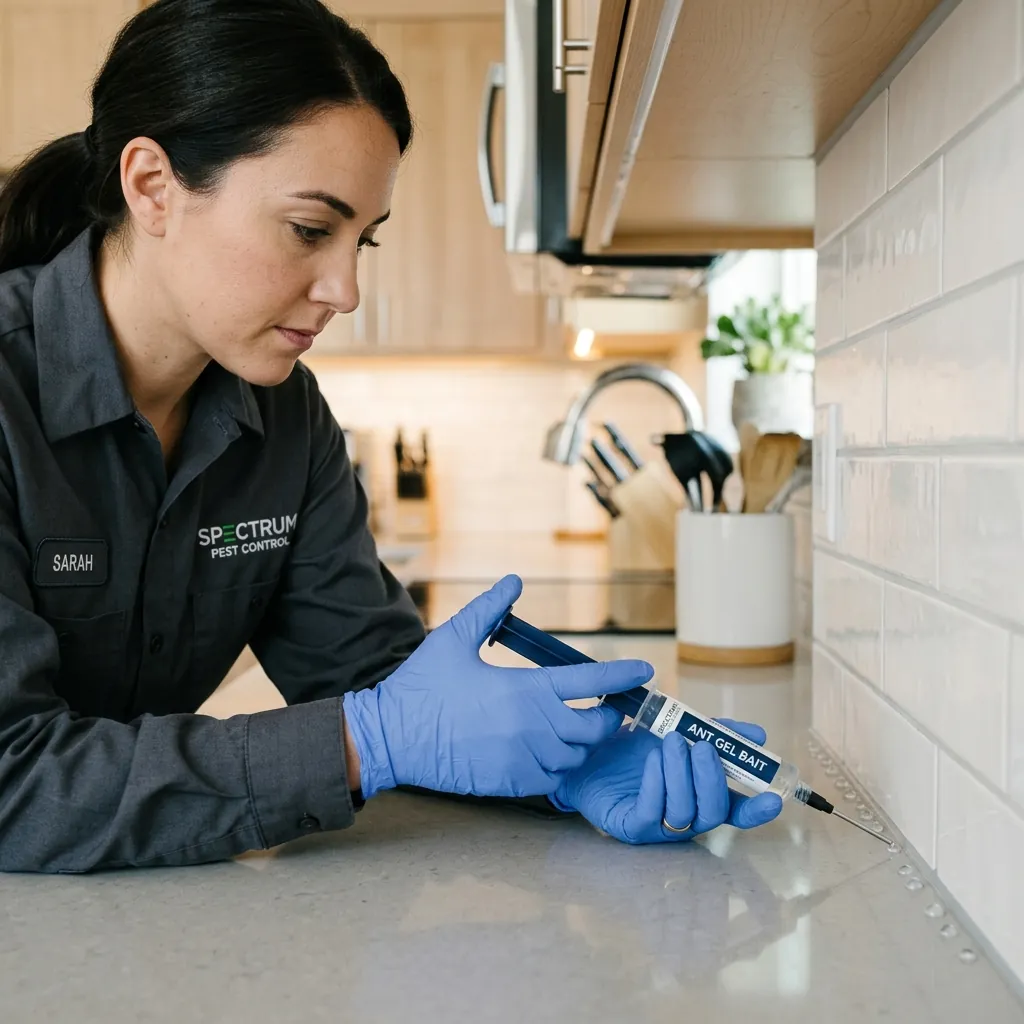
When treatments are required, we use target-specific gel baits, biological larvicides, and pheromone traps, reserving residual sprays for perimeter defenses.
Step 5: Logbook Documentation and Monitoring
We maintain detailed logbooks containing bait station maps, service records, MSDS sheets, and trend analyses, ensuring complete audit readiness.
Traditional Pest Control vs. Integrated Pest Management (IPM)
Understanding the differences between standard chemical spraying and IPM helps you choose the right approach for your property:
| Feature | Traditional Chemical Pest Control | Integrated Pest Management (IPM) |
|---|---|---|
| Focus | Eliminating visible insects using chemical sprays | Long-term prevention through sealing and sanitation |
| Chemical Use | High (frequent calendar-based spraying) | Low (used only as a last resort in targeted areas) |
| Documentation | Single service invoice | Detailed logs, MSDS sheets, bait maps, checklists |
| Audit Readiness | Low (does not satisfy food safety audits) | High (fully compliant with FSSAI/HACCP standards) |
| Target | Broad-spectrum (kills all active insects) | Target-specific (safe for beneficial wildlife) |
| Longevity | Short-term (requires frequent re-treatments) | Long-term (seals and habits prevent returns) |
Estimated IPM Services & AMC Charges in Delhi NCR (2026)
IPM costs depend on facility type, floor area, and audit standards. Below is an estimated price range for commercial and residential IPM AMC packages:
| Property / Industry Type | Average Area | Estimated Annual Maintenance Contract (AMC) |
|---|---|---|
| Residential Apartment (3 BHK) | up to 2,000 sq. ft | ₹4,999 - ₹6,499 / Year |
| Small Office / Clinic | up to 2,000 sq. ft | ₹12,000 - ₹18,000 / Year |
| Restaurant / Food Joint | up to 3,000 sq. ft | ₹24,000 - ₹36,000 / Year |
| Corporate Office / IT Floor | up to 10,000 sq. ft | ₹36,000 - ₹54,000 / Year |
| Factory / Warehouse | up to 20,000 sq. ft | ₹72,000 - ₹1,20,000 / Year |
Note: IPM AMC packages include regular inspection visits, monitoring logs, and written warranties. Contact TrustXcare for a detailed facility audit and customized quotation.
IPM Home Prevention Checklist: How to Prevent Pests Safely
You can implement basic IPM principles in your home by taking these practical preventive steps:
- 1Store Food in Airtight Containers: Keep grains, sugar, and flour in sealed glass or plastic containers.
- 1Fix Under-Sink Leaks: Repair dripping pipes and keep base cabinets dry to remove water sources.
- 1Seal Plumbing Gaps: Seal entry spaces around kitchen and bathroom sink pipes with silicone sealant.
- 1Install Drain Screens: Use fine mesh screens on floor drains to prevent cockroaches from crawling up.
- 1Clean Drains Weekly: Flush kitchen and bathroom drains with hot water and bio-gel to remove organic slime.
- 1Trim Outdoor Plants: Keep tree branches and garden bushes trimmed back 1 foot from walls to prevent bridges.
Common Myths vs. Facts About IPM
Let's clarify some common misconceptions about Integrated Pest Management:
- Myth: IPM does not use any chemical treatments.
Fact: IPM uses chemical treatments when necessary, but selects low-toxicity, target-specific products applied in hidden areas.
- Myth: IPM is only for large commercial buildings.
Fact: IPM principles are highly effective for homes, helping families prevent pests safely and sustainably.
- Myth: IPM takes months to show results.
Fact: While IPM focus on prevention, it provides rapid results by combining initial targeted baiting with entry sealing.
Case Study: FSSAI Audit Compliance at a Gurgaon Food Factory
The Problem: A food processing factory in Sector 37, Gurgaon, faced a critical audit. Inspectors found flying insect activity in the packaging zone, risking a failed audit, heavy fines, and operational delays.
The Solution: TrustXcare implemented an IPM protocol. We installed high-velocity air curtains above shipping doors, replaced zappers with silent UV glue-board traps, and sealed wall expansion joints. We placed pheromone traps to monitor stored product pests and provided detailed logs.
The Result: The factory passed the FSSAI audit with high ratings. Ongoing monthly IPM audits ensure compliance and protect the facility's operations.
Frequently Asked Questions (20+)
1. What documentation does TrustXcare provide for health audits?
We provide a comprehensive logbook containing service records, MSDS sheets, chemical certificates, bait station maps, and inspection checklists.
2. Can IPM treatments be performed after business hours?
Yes. We offer night, early morning, and weekend treatments for commercial clients to avoid disrupting business hours.
3. What is FSSAI compliance in pest control?
FSSAI compliance requires food businesses to implement preventative pest measures, keep records of treatments, and maintain zero tolerance for pests in food zones.
4. Are the chemicals used in IPM safe for office environments?
Yes. TrustXcare uses low-odor, CIB-approved, and low-toxicity insecticides. Once dry, they present no risks to employees.
5. How does a rodent bait station work?
A rodent bait station is a lockable plastic box containing bait. Rodents enter, eat the bait, and leave, keeping the bait secure from children and pets.
6. Do you treat warehouse warehouses for termites?
Yes. We provide pre-construction and post-construction termite treatments for warehouses, protecting inventory and wooden structures.
7. What attracts pests to office breakrooms?
Food crumbs, dirty mugs left in sinks, open cereal boxes, and sweet drinks attract pests like ants and cockroaches.
8. How long does an IPM inspection take?
A detailed inspection takes between 45 minutes to 2 hours, depending on building size.
9. Does TrustXcare serve Noida sectors?
Yes. TrustXcare provides commercial and residential IPM services across Noida, Greater Noida, Gurgaon, Delhi, Ghaziabad, and Faridabad.
10. Can rodents cause server outages?
Yes. Rats and mice chew wiring insulation, causing electrical short circuits and network outages in IT server rooms.
11. What is an air curtain, and does it help control flies?
An air curtain blows a high-velocity stream of downward air above doors, creating a barrier that flying insects cannot cross.
12. Do you offer warranties on IPM AMC services?
Yes. Our IPM AMC packages include a warranty, providing free re-treatments if pests return between scheduled services.
13. What is the difference between residential and commercial IPM?
Commercial IPM focuses on compliance, detailed documentation, auditing standards, and managing larger, more complex properties.
14. What are the best methods to control drain flies in kitchens?
Clean drains using bio-enzymes to break down the organic breeding slime inside pipes, and apply targeted larvicides.
15. Do you treat school and college campuses?
Yes. We provide safe, non-toxic pest treatments for educational campuses during weekends or breaks to ensure student safety.
16. What is a ULV misting treatment?
ULV (Ultra-Low Volume) misting produces a cold, fine mist of micro-droplets, ideal for treating flies and mosquitoes in large indoor areas.
17. How do I prevent pests in my hotel rooms?
Train housekeeping staff to inspect beds, wardrobes, and bathrooms daily, and report any signs of activity immediately.
18. Does rain affect exterior barrier treatments?
Heavy rain can reduce the effectiveness of outdoor sprays. We use water-resistant granules and bait boxes to protect perimeters.
19. Do I need to empty my kitchen cabinets before gel baiting?
No. The organic gel baits are placed in corners and behind hinges, keeping them away from food surfaces.
20. How do I book an IPM inspection for my facility?
Contact TrustXcare to schedule a site inspection. Our specialists will inspect your property and design a custom IPM plan.
Conclusion: Book a Free IPM Audit with TrustXcare Today
Integrated Pest Management (IPM) is essential for protecting your property, ensuring regulatory compliance, and preventing structural damage. The longer entry gaps and moisture issues remain unaddressed, the higher the risk of infestations.
Protect your property, family, and business. TrustXcare is Delhi NCR's premier ISO-certified pest management agency, combining compliance documentation, certified technicians, and custom IPM solutions.
Contact TrustXcare today to book a comprehensive site audit and get a customized IPM plan.