


The Pest Control for Apartments Complete Guide: Solve Shared Pest Issues
Apartment living offers convenience and community, but it also presents unique challenges for pest control. Because apartments share walls, floors, ceilings, and utilities, a pest problem in one home can easily travel to neighbors. German cockroaches, bed bugs, ants, and rodents crawl through pipe shafts, wall cavities, and ventilation ducts, spreading infestations between units. Effective apartment pest control requires a combination of personal hygiene and professional sealing.
For residents and landlords in Delhi NCR—spanning Delhi, Gurgaon, Noida, Greater Noida, Ghaziabad, and Faridabad—apartment pest control is a key concern due to the high density of residential societies and shared plumbing conduits.
This guide provides a comprehensive manual on pest control in apartments. We cover the main shared pest routes, common apartment pests, professional treatment and sealing protocols, tenant-landlord responsibilities, and prevention checklists to keep your home protected.
Understanding Shared Pest Conduits in Apartments
To manage apartment pests effectively, we must understand how they travel between units:
- Plumbing and Utility Shafts: Large vertical openings for water and drainage pipes connect apartments from the ground floor to the roof. Cockroaches and rodents use these pipes as crawlways to travel between floors.
- Wall Crevices and Baseboard Gaps: Structural settle cracks, gaps under doors, and openings around electrical lines allow pests to crawl into adjacent rooms.
- Shared Balconies and Air Shafts: Balcony ledges and ventilation shafts provide outdoor routes for pigeons, mosquitoes, and spiders to travel between apartments.
!Understanding Shared Pest Conduits in Apartments
Early Warning Signs of Pests in Your Apartment
Spotting pest activity early helps you block their entry before they establish nests in your walls. Look for these key signs:
- Pest Droppings under Sinks: Finding small, black droppings in the bathroom or kitchen sink cabinets, where pipes enter walls.
- Smear Marks along Skirting: Finding grease marks along baseboards, indicating rodent travel paths.
- Rustling Noises in False Ceilings: Hearing scratching or rustling sounds overhead, which often indicate rats or mice in false ceilings.
- Visual Sighting of Trails: Spotting ant lines crawling along balcony edges or kitchen splashbacks.
Health and Property Hazards: The Threat in High-Rises
Pest infestations in apartment buildings pose several health and property risks:
1. Cross-Unit Contamination
Pests carrying pathogens (like Salmonella and E. coli) travel between kitchens, spreading bacteria throughout the building.
2. Allergies and Asthma Triggers
Cockroach droppings, shedded skins, and dust mite residues collect in false ceilings and vents, triggering allergies and asthma, especially in young children.
3. Damage to Furniture and Wiring
Termites can damage wooden flooring and kitchen cupboards, while rodents chew electrical wires inside drywall, presenting safety hazards.
Why DIY Apartment Pest Control Often Fails
Many tenants use retail sprays, chalks, or sticky traps to manage pests. These DIY methods are rarely effective long-term in apartment buildings:
1. Sprays Simply Push Pests Next Door
Using strong chemical sprays in one room repels pests, forcing them through wall voids to your neighbor's apartment. Once the chemical scent fades, the pests return.
2. Failure to Seal Entry Points
DIY chemical treatments do nothing to seal the gaps around plumbing pipes and door frames that allow pests to enter, leading to recurring issues.
3. Overlooking False Ceilings
Many pests nest in the quiet, warm space inside false ceilings. Standard aerosol sprays do not reach these voids, allowing infestations to persist.
The TrustXcare Professional Apartment Pest Protocol
At TrustXcare, we implement an Integrated Pest Management (IPM) strategy that combines deep baseboard sealing, targeted baiting, and protective barriers to isolate your apartment from neighbors.
!Professional Apartment Pest Control Process
Step 1: Detailed Utility and Pipe Inspection
Our technicians inspect your apartment, focusing on where water pipes, gas lines, and electrical conduits enter walls.
Step 2: Professional Exclusion (Sealing Entry Points)
We seal gaps around pipes and baseboards using expandable foam, steel wool, and silicone sealant, physically blocking pests from entering.
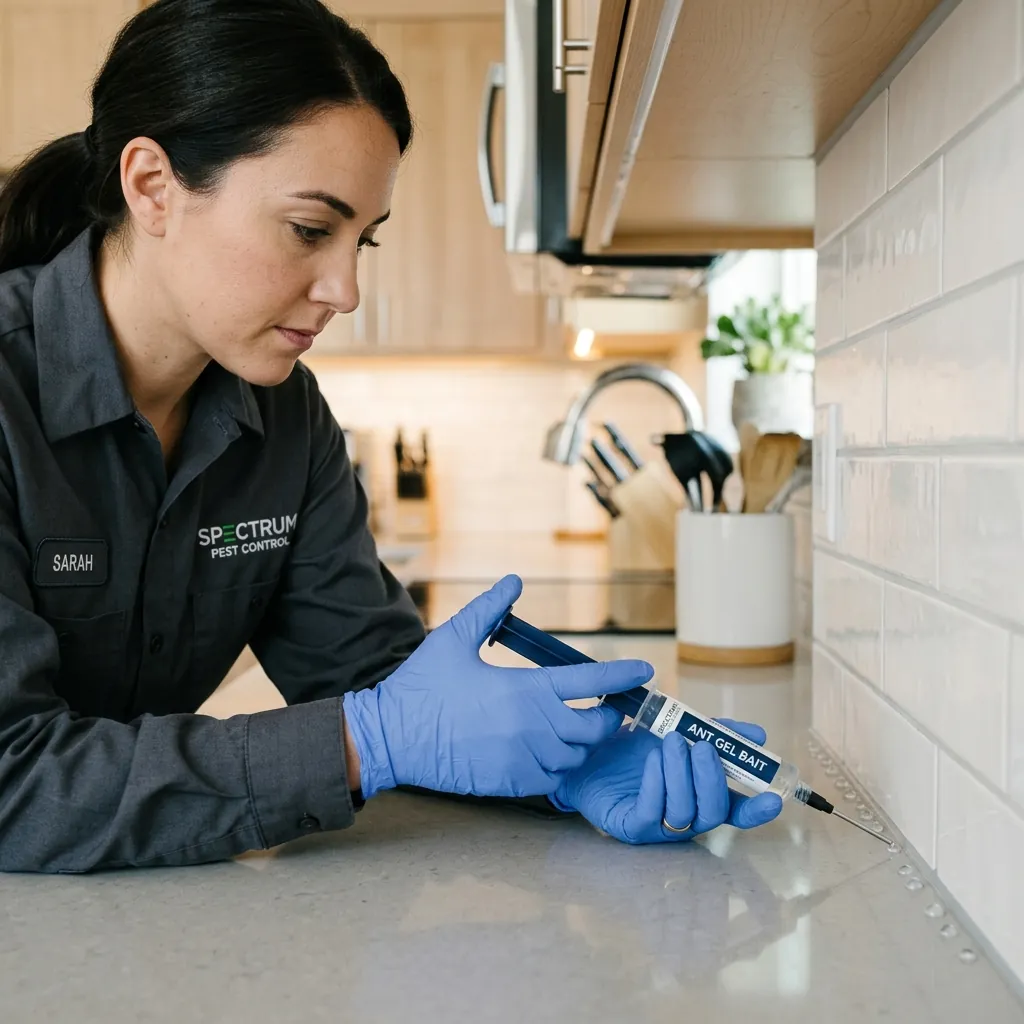
Step 3: Targeted Baiting and Gel Application
We place specialized gel baits in cupboard corners, behind hinges, and near electrical units. These baits attract and eliminate pests quietly without spray odors.
Step 4: False Ceiling Treatment
We apply specialized dry dusts or baits inside false ceiling panels to eliminate hidden pests safely.
Step 5: Regular Preventative Maintenance
Our Annual Maintenance Contracts (AMC) include quarterly visits to inspect the seals and refresh treatments, ensuring year-round protection.
Tenant vs. Landlord Pest Control Responsibilities
Understanding who is responsible for pest control helps resolve issues quickly:
| Pest Issue | Tenant Responsibility | Landlord / Society Responsibility |
|---|---|---|
| General Pests (Ants, Roaches) | Maintaining daily kitchen sanitation and garbage disposal | Sealing structural foundation cracks and exterior walls |
| Termite Treatment | Reporting wood damage or mud tubes immediately | Treating structural walls, doors, and building foundations |
| Shared Shaft Rodents | Keeping kitchen drain meshes closed | Treating basement trash rooms and main vertical pipe shafts |
| Bed Bug Infestations | Treating bed bugs brought in on personal luggage | Treating bed bugs if present before the tenant moved in |
| Pigeon Netting | Installing balcony netting if needed | Maintaining building shafts and courtyard bird netting |
Estimated Apartment Pest Control Charges in Delhi NCR (2026)
Apartment pest control costs depend on home size, the types of pests present, and the frequency of treatment. Below is an estimated price range for residential services:
| Property Size | Standard Spray + Gel Treatment | Premium Sealing + Gel + AMC (4 Services) |
|---|---|---|
| 1 BHK / Apartment | ₹899 - ₹1,199 | ₹2,499 - ₹3,499 / Year |
| 2 BHK / Apartment | ₹1,199 - ₹1,499 | ₹3,499 - ₹4,499 / Year |
| 3 BHK / Apartment | ₹1,499 - ₹1,999 | ₹4,499 - ₹5,999 / Year |
| 4 BHK / Duplex | ₹1,999 - ₹2,699 | ₹5,999 - ₹7,499 / Year |
Note: Annual Maintenance Contracts include free emergency call-outs between scheduled visits and a written warranty. Contact TrustXcare for a detailed quote.
Apartment Prevention Checklist: How to Block Pests
You can protect your apartment from pests by taking these practical preventive steps:
- 1Store Food in Airtight Containers: Keep cereals, flour, sugar, and grains in sealed containers.
- 1Fix Under-Sink Leaks: Repair dripping faucets and keep the cabinet under the kitchen sink dry.
- 1Seal Plumbing Pipe Entries: Fill gaps around pipes under the kitchen and bathroom sinks using silicone sealant or expanding foam.
- 1Install Drain Meshes: Use fine mesh screens on floor drains in bathrooms and balconies to prevent cockroaches from crawling up.
- 1Keep Garbage Bins Covered: Use trash bins with tight lids and empty them daily.
- 1Install Door Sweeps: Install brush sweeps on your main entry door to block gaps.
Common Myths vs. Facts About Apartment Pests
Let's clarify some common misconceptions about apartment pests:
- Myth: Keeping my apartment clean guarantees zero pests.
Fact: While cleanliness helps, pests can still enter from adjacent apartments through pipe gaps and wall crevices.
- Myth: Spraying pesticide chalk is the best way to stop cockroaches.
Fact: Pesticide chalks wash away easily and present ingestion hazards for children and pets. Targeted gel baits are safer and more effective.
- Myth: Rats cannot climb to high floors in apartments.
Fact: Rats are excellent climbers and can climb vertical drainpipes, utility lines, and balcony structures to reach high floors.
Case Study: Cockroach Control in a Gurgaon Apartment Complex
The Problem: A tenant on the 8th floor of a high-rise in Sector 67, Gurgaon, noticed German cockroaches in the kitchen. The tenant sprayed the cabinets, but the cockroaches returned within days, crawling through gaps around the kitchen drainpipe connected to the shared utility shaft.
The Solution: TrustXcare inspected the kitchen. We identified cockroach nesting in the utility shaft behind the wall. We applied expandable foam to seal the pipe entry gap, placed organic gel baits in the cabinet corners, and treated the false ceiling. We advised the tenant to keep floor drains covered.
The Result: The cockroach problem was resolved. The pipe seal isolated the apartment from the shared shaft, preventing new pests from entering.
Frequently Asked Questions (20+)
1. Are the chemicals used for apartment spraying safe for pets?
Yes. TrustXcare uses CIB-approved, low-toxicity residual chemicals. We apply them to baseboards and crevices where contact is minimal, making them safe for pets once dry.
2. Can cockroaches travel from my neighbor's apartment?
Yes. Cockroaches crawl through shared pipe shafts, wall crevices, electrical conduits, and under doors to travel between units.
3. What is the best way to seal gaps around plumbing pipes?
Use expandable foam or silicone sealant for small gaps, and steel mesh combined with patch concrete for larger openings.
4. Can rats crawl up toilet pipes?
Yes. Rats are good swimmers and can crawl through sewer lines and up toilet traps if pipes are dry or damaged.
5. Why do pests appear more active after a gel treatment?
Gel baits contain attractants that draw pests to feed. This increase in activity is temporary, and pests will be eliminated within a few days.
6. Do ultrasonic pest repellers work in apartments?
No. Scientific studies show that ultrasonic devices have no lasting effect on rodents or insects.
7. How do I prevent pests in my bathroom cupboards?
Keep cupboards clean, store toiletries in plastic trays, seal pipe entries, and avoid using damp shelf liners.
8. What is the most common entry route for mice in high-rises?
Gaps under entry doors and openings around utility pipes are the most common entry routes for mice.
9. Can termites travel between apartments?
Yes. Termites can build mud tubes along concrete walls and shared conduits to travel between floors.
10. Does TrustXcare serve Noida sectors?
Yes. TrustXcare provides apartment pest control services across Noida, Greater Noida, Gurgaon, Delhi, Ghaziabad, and Faridabad.
11. How do I prevent mosquito breeding on my balcony?
Drain standing water from planters, clean drains weekly, and install mesh screens on balcony windows.
12. Can bed bugs travel through walls?
Yes. Bed bugs can crawl through electrical conduits and wall crevices to enter adjacent apartments.
13. What is dry chemical dusting?
Dry dusting involves blowing boric acid powder behind wall sockets and wall voids, creating a dry barrier that kills crawling pests.
14. What attracts cockroaches to kitchen sinks?
Moisture from leaking pipes, food residue in drains, and damp sponge cloths attract cockroaches.
15. How long does a standard apartment treatment take?
A standard treatment takes between 30 to 45 minutes, depending on the property size.
16. Do you offer warranties on AMC services?
Yes. Our Annual Maintenance Contracts include a warranty, providing free re-treatment if pests return during the contract period.
17. Can pests enter through air conditioning lines?
Yes. Gaps around AC copper lines provide entry routes. Seal AC line entries with expanding foam.
18. Does rain affect balcony treatments?
Heavy rain can wash away outdoor sprays. We use water-resistant granules and baits to protect balconies.
19. Do I need to empty my kitchen cabinets before gel baiting?
No. The organic gel baits are placed in corners and behind hinges, keeping them away from food surfaces.
20. What is the difference between a single service and an AMC?
A single service targets an active infestation. An AMC provides year-round protection through regular inspections and preventative barriers.
Conclusion: Book a Free Inspection with TrustXcare Today
Apartment pest control is essential for maintaining a clean, healthy, and comfortable home. The longer entry gaps and moisture issues remain unaddressed, the higher the risk of pest infestations and cross-contamination.
Protect your apartment and family. TrustXcare is Delhi NCR's premier ISO-certified pest management agency, combining professional exclusion, certified technicians, and written warranties.
Contact TrustXcare today to book a comprehensive site inspection and get a customized apartment pest control plan.