


The Pest Control Safety Complete Guide: Protect Your Family and Pets
Pest control is essential for keeping your home healthy, clean, and free of structural damage. However, because pest treatments involve chemicals, safety must be the highest priority. Using pesticides incorrectly can expose your family, pets, and children to chemical hazards. Safe pest control relies on proper preparation, using CIB-approved products, applying them in targeted areas, and following post-treatment safety protocols.
For homeowners and landlords in Delhi NCR—spanning Delhi, Gurgaon, Noida, Greater Noida, Ghaziabad, and Faridabad—pest control safety is a primary concern, especially in homes with young children, senior citizens, and pets.
This guide provides a comprehensive manual on pest control safety. We cover safety measures before, during, and after treatment, chemical selection guidelines, pet-safe options, child-safe treatments, DIY limitations, and emergency safety checklists.
Understanding Pest Control Chemical Safety
To ensure safety, we must understand how pesticides are classified and applied:
- Chemical Registration (CIB): All pesticides used in India must be registered with the Central Insecticides Board (CIB). Registered chemicals have been tested for safety and efficacy when applied according to the label.
- Toxicity Classifications: Pesticides are classified by toxicity, color-coded with triangles on product labels (Red = Extremely Toxic, Yellow = Highly Toxic, Blue = Moderately Toxic, Green = Slightly Toxic). Professional pest control in homes uses slightly or moderately toxic chemicals applied in highly targeted areas.
- Targeted Application: Safety is maximized by placing chemicals only in hidden cracks, baseboards, and wall voids where humans and pets cannot easily contact them.
!Understanding Pest Control Chemical Safety
Early Warning Signs of Chemical Exposure
While professional treatments are safe when applied correctly, knowing the signs of pesticide exposure is important for safety. Look for these key symptoms:
- Skin and Eye Irritation: Redness, itching, or burning sensations on the skin or in the eyes.
- Respiratory Discomfort: Coughing, wheezing, or difficulty breathing, especially for individuals with asthma.
- Systemic Symptoms: Headaches, dizziness, nausea, or stomach cramps.
- Pet Behavioral Changes: Excessive drooling, lethargy, vomiting, or breathing difficulties in dogs or cats.
Safety Measures: Before, During, and After Treatment
Following a clear safety checklist ensures a smooth, hazard-free treatment process:
1. Pre-Treatment Preparation (Before spray)
- Cover Food and Utensils: Store all food in airtight containers, keep utensils inside closed cupboards, and clear countertops.
- Clear Treated Areas: Pull furniture 2 feet away from walls to provide access to baseboards.
- Cover Toys and Clothes: Put children's toys, pet beds, and clothes in closed cupboards.
2. Safety During Treatment (During spray)
- Vacate the Premises: We recommend staying outside the home during liquid spraying. Individuals with asthma, pregnant women, and pets must vacate the home.
- Keep Pets Safely Away: Take dogs, cats, and birds out of the house. Cover fish tanks and turn off the tank air pump.
3. Post-Treatment Safety (After spray)
- Ventilate the Home: Open all windows and doors for at least 30 to 45 minutes after returning to let fresh air circulate.
- Avoid Wet Areas: Do not touch or wash treated baseboards for at least 7 days to preserve the treatment barrier.
- Clean Counters: Wipe food preparation surfaces with a wet cloth and mild soap before cooking.
Why DIY Pest Control Safety Often Fails
Many homeowners attempt DIY chemical applications, which often lead to safety hazards for several reasons:
1. Incorrect Mixing Concentrations
DIY users often mix chemicals at higher concentrations than labeled, thinking it will kill pests faster. This increases chemical exposure risks for their families.
2. Inappropriate Chemical Selection
Using outdoor-grade agricultural pesticides indoors is a common and dangerous DIY mistake. Indoor treatments require public-health grade chemicals with low toxicity.
3. Lack of Protective Equipment (PPE)
DIY users rarely wear proper masks, gloves, or goggles while spraying, leading to direct skin contact or chemical inhalation.
The TrustXcare Professional Safety Protocol
At TrustXcare, safety is our primary metric. We combine certified technicians, CIB-approved chemicals, and strict safety guidelines to ensure your home remains safe.
!Professional Pest Control Safety Process
Step 1: Safety Assessment and Check
Our technicians evaluate your home, checking for pets, children, or residents with medical conditions, and advising on safety precautions.
Step 2: Selection of Low-Toxicity, Low-Odor Chemicals
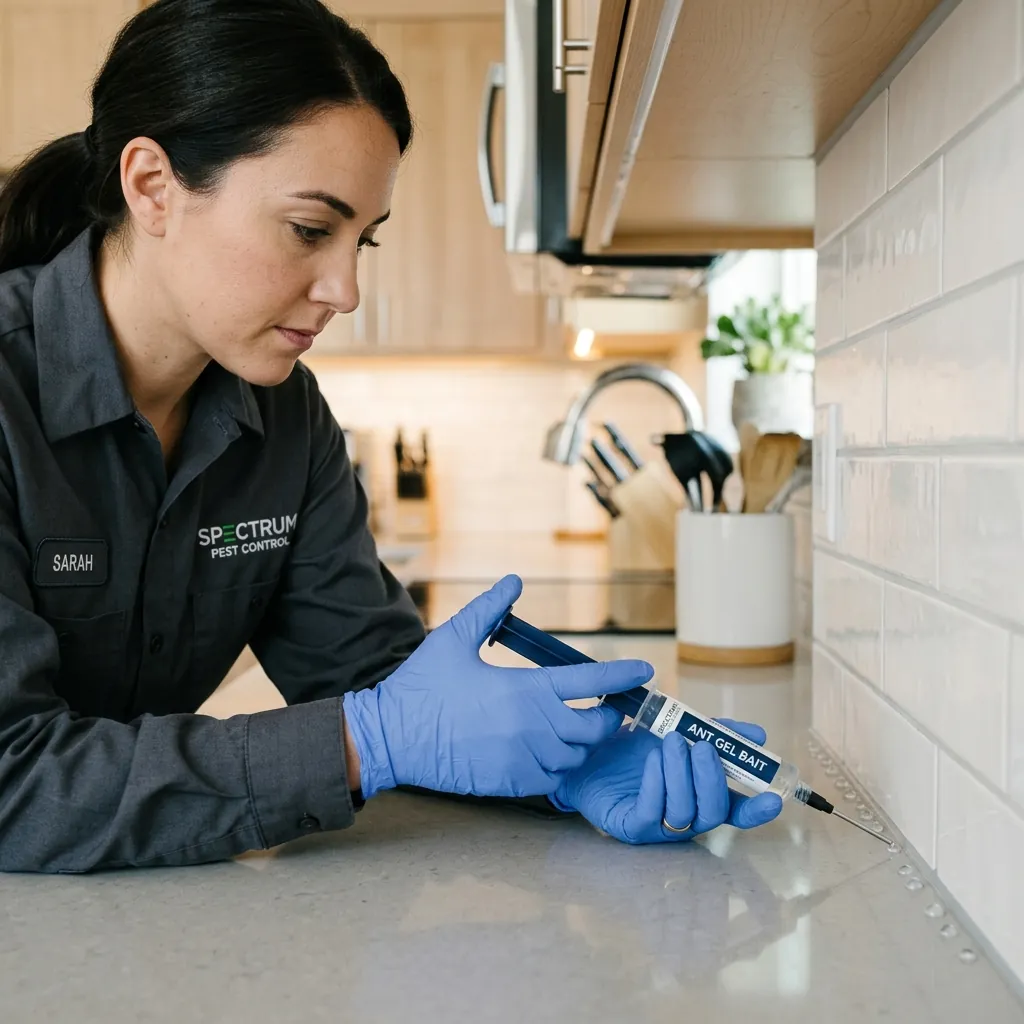
We use CIB-approved, low-toxicity, and low-odor synthetic pyrethroids and gel baits, keeping chemicals away from contact zones.
Step 3: Precise, Targeted Application
We apply sprays directly to baseboards, crevices, and hinges, and place gel baits inside cabinet joints away from children and pets.
Step 4: Post-Service Ventilation Check
We check that all treated areas are drying properly and assist you in ventilating your home safely.
Step 5: Follow-Up Safety Support
Our customer care team provides follow-up safety guidelines and is available to answer any questions about post-treatment safety.
DIY Chemical Use vs. Professional Safety Standards
Understanding the differences between DIY sprays and professional application helps you prioritize safety:
| Feature | DIY Chemical Application | Professional Safety Application |
|---|---|---|
| Chemical Quality | Retail-grade (often agricultural grade used incorrectly) | Government-approved public-health grade (low toxicity) |
| Technician Training | None (uses instructions on label) | Certified by government institutes (pest management) |
| PPE Used | Rarely used (basic gloves if any) | Full PPE (respirator masks, chemical gloves, goggles) |
| Application Tools | Basic spray bottles (can leak or drip) | Calibrated compression pumps (prevents over-spraying) |
| Targeting Precision | Broad spraying (sprays entire room) | Targeted cracks, crevices, baseboards, and hinges |
| Safety Checklists | None | Comprehensive pre- and post-service check-ins |
Estimated Pest Control Safety & Service Charges in Delhi NCR (2026)
Safe, professional treatments depend on home size and the type of pests present. Below is an estimated price range for residential safety services:
| Property Size | Standard Safe Spray Service | Premium Safe Gel + Spray + Sealing (AMC) |
|---|---|---|
| 1 BHK / Apartment | ₹999 - ₹1,299 | ₹2,999 - ₹3,999 / Year |
| 2 BHK / Apartment | ₹1,299 - ₹1,699 | ₹3,999 - ₹4,999 / Year |
| 3 BHK / Apartment | ₹1,699 - ₹2,199 | ₹4,999 - ₹6,499 / Year |
| 4 BHK / Duplex | ₹2,199 - ₹2,999 | ₹6,499 - ₹7,999 / Year |
| Independent Villa | ₹2,999 - ₹4,499 | ₹8,999 - ₹12,999 / Year |
Note: AMC packages include regular safety inspections, written warranties, and free emergency call-outs. Contact TrustXcare for a detailed quote.
Pet and Child Safety Checklist: How to Protect Your Family
You can keep your children and pets safe during pest treatments by taking these practical steps:
- 1Store Pet Bowls: Remove pet food and water bowls from treated rooms before spraying.
- 1Cover Aquariums: Cover fish tanks with plastic wrap and turn off the filter air pump during spray.
- 1Keep Pets Out of Wet Spray: Do not let dogs or cats enter treated rooms until the spray has dried completely.
- 1Keep Toys Sealed: Put baby toys, pacifiers, and pet toys in sealed plastic bags during treatment.
- 1Ventilate Rooms: Open windows for 30 minutes after returning to let fresh air circulate.
- 1Wipe Baby Cribs: Wipe down baby cribs and playpens with warm water and soap after treatment.
Common Myths vs. Facts About Pest Control Safety
Let's clarify some common misconceptions about pest control safety:
- Myth: If a pesticide has no smell, it is completely safe.
Fact: Odorless chemicals can still be toxic. Safety depends on toxicity level and correct application, not smell.
- Myth: You must wash all walls and floors immediately after treatment.
Fact: Washing baseboards removes the residual barrier. Wipe only food preparation tables and countertops.
- Myth: Professional pest control chemicals remain toxic inside homes for years.
Fact: Modern public-health chemicals biodegrade and lose toxicity indoors within 4 to 8 weeks, leaving no long-term residues.
Case Study: Child and Pet Safety Treatment in a Noida Apartment
The Problem: A family living in Sector 78, Noida, with a 2-year-old child and a pet golden retriever, noticed a German cockroach infestation in their kitchen. The parents wanted to treat the infestation but were highly concerned about chemical exposure for their child and pet.
The Solution: TrustXcare designed a pet-safe, child-safe protocol. We had the family vacate the home for 3 hours. We applied organic, low-toxicity gel baits inside kitchen cabinet hinges and applied dry boric dust in wall voids. We used a low-odor spray along baseboards, which dried before the family returned. We wiped down the kitchen counters after treatment.
The Result: The cockroach infestation was resolved safely. The family and pet returned to a clean, odor-free, and safe home, showing that professional treatments can prioritize safety.
Frequently Asked Questions (20+)
1. Are the chemicals used by TrustXcare safe for babies?
Yes. We use low-toxicity, CIB-approved public-health insecticides applied in targeted baseboards and cabinet crevices. We advise keeping babies out of the home during spraying until dry.
2. Can pesticide spray cause asthma attacks?
Inhaling wet spray can trigger asthma. Individuals with asthma should vacate the home during spraying and return only after the home is ventilated.
3. How long should we stay outside after spraying?
We recommend vacating the home for 2 to 3 hours during liquid spraying, allowing the chemicals to dry and settle.
4. What should I do if my dog licks a wet treated surface?
Keep your pet away from wet spray. If ingestion occurs, flush their mouth with clean water and contact your veterinarian immediately.
5. Why must fish tanks be covered during treatment?
Fish are highly sensitive to airborne pesticides. Cover the tank with plastic wrap and turn off the filter air pump during spray.
6. Are gel baits safe around toddlers?
Yes. We place gel baits in hidden spots inside cabinet hinges and behind appliances where toddlers cannot reach.
7. Does TrustXcare use CIB-approved chemicals?
Yes. All chemicals we use are registered and approved by the Central Insecticides Board (CIB) for residential use.
8. What is the active ingredient in cockroach gel baits?
Most commercial gel baits use fipronil or imidacloprid mixed with a starch-based food attractant.
9. Can I sleep in my room immediately after treatment?
Yes, once the spray has dried completely (usually within 2 hours) and the room has been ventilated for 30 minutes.
10. Does TrustXcare serve Noida Extension?
Yes. TrustXcare provides pest control services across Noida, Noida Extension, Greater Noida, Gurgaon, Delhi, Ghaziabad, and Faridabad.
11. What should I do if pesticide gets in my eyes?
Flush your eyes with clean, running water for 15 minutes and seek medical attention if irritation persists.
12. Are eco-friendly pest control treatments safer?
Yes. Eco-friendly treatments use botanical plant oils and minerals, which have lower toxicity levels than synthetic chemicals.
13. Do you provide night services for residential properties?
No. Residential services are scheduled during daylight hours to ensure proper ventilation and drying times.
14. What attracts pests to bathrooms?
Moisture from leaking pipes, damp bath mats, and soap residues attract pests like cockroaches and silverfish.
15. How long does a standard home safety inspection take?
A safety inspection takes between 30 to 45 minutes, depending on the property size.
16. Do you offer warranties on AMC services?
Yes. Our Annual Maintenance Contracts include a warranty, providing free re-treatment if pests return during the contract period.
17. Can pests enter through air conditioning lines?
Yes. Gaps around AC copper lines provide entry routes. Seal AC line entries with expanding foam.
18. Does rain affect outdoor preventative treatments?
Heavy rain can wash away outdoor sprays. We use water-resistant granules and bait boxes to protect perimeters.
19. Do I need to wash all dishes after kitchen gel treatment?
No. The gel bait is applied to hinges and corners, keeping it away from dishes. We will advise you if spraying is required.
20. What is the difference between a one-time service and an AMC?
A one-time service targets an active infestation. An AMC provides year-round protection through regular inspections and preventative barriers.
Conclusion: Book a Free Safety Consultation with TrustXcare Today
Pest control safety is essential for protecting your family, pets, and children from chemical hazards. The longer entry gaps and moisture issues remain unaddressed, the higher the risk of pest infestations and pesticide misuse.
Protect your family and home. TrustXcare is Delhi NCR's premier ISO-certified pest management agency, combining professional safety standards, certified technicians, and written warranties.
Contact TrustXcare today to book a comprehensive site safety inspection and get a customized pest control plan.