

The Silverfish Control Complete Guide: Protect Your Valuables and Books
Silverfish are primitive, wingless insects known for their silvery-metallic shine and fluid, fish-like swimming movements. While they do not bite humans or transmit diseases, they are destructive pests that feed on carbohydrates like starch and cellulose.
A silverfish infestation can ruin your valuable paper documents, old family photos, expensive book collections, wallpapers, and natural fabrics (such as silk and cotton).
For homeowners, libraries, and corporate offices in Delhi NCR—covering Delhi, Gurgaon, Noida, Greater Noida, Ghaziabad, and Faridabad—silverfish are a common and difficult pest to manage. High humidity levels in bathrooms, kitchens, and basements create ideal breeding conditions.
This guide provides a comprehensive manual on silverfish eradication. We cover silverfish biology, signs of damage, professional treatments (such as residual insecticide barriers, target-specific baiting, and dehumidification), DIY limitations, and safety checklists to keep your valuables safe.
Understanding Silverfish Biology and Breeding Habitats
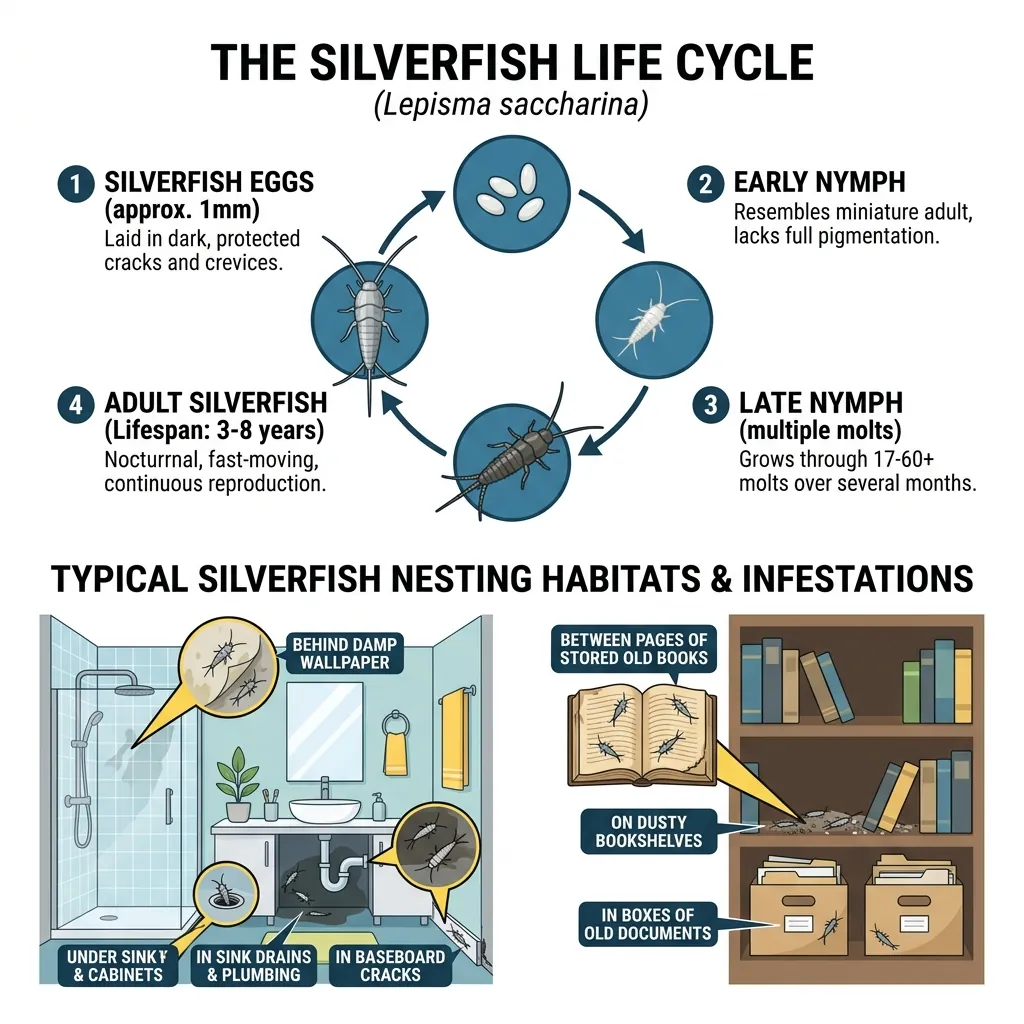
Silverfish (Lepisma saccharina) are nocturnal insects that prefer dark, warm, and highly humid environments (relative humidity between 75% and 95%):
- The Lifecycle: Female silverfish lay small, oval eggs in cracks, crevices, or under baseboards. Unlike other pests, silverfish undergo simple metamorphosis. Nymphs look like miniature adults but are white and lack the metallic silver sheen. They grow slowly, molting up to 60 times over several months to reach adulthood.
- Extreme Lifespan: Silverfish are exceptionally long-lived, surviving for 3 to 8 years depending on food availability and moisture.
- Dietary Preferences: Silverfish feed on starches, sugars, dextrin (found in bookbinding glues, wallpaper pastes, and paper sizes), and proteins (such as natural silk and cotton fibers).
!Understanding Silverfish Biology and Breeding Habitats
Early Signs of a Silverfish Infestation
Because silverfish are active at night and hide in dark crevices during the day, infestations often go unnoticed until damage has occurred. Keep an eye out for these warning signs:
- Visual Sightings: Seeing fast-moving, silvery-grey insects darting away when you turn on the bathroom or kitchen lights at night.
- Irregular Feeding Holes: Finding irregular chew holes, etched surfaces, or notch marks along the edges of old books, wallpapers, cardboard storage boxes, or clothing.
- Yellow Staining: Spotting small, yellow or brownish stains left on paper documents, light-colored wallpapers, or fine fabrics where they have been feeding.
- Fecal Pellets: Finding tiny, black, pepper-like fecal droppings scattered on bookshelf surfaces or inside storage drawers.
Hazards and Damage: Why Silverfish Are a Problem
Although silverfish do not bite, they can cause significant, irreversible damage to your home and belongings:
1. Destruction of Book Collections and Archives
Silverfish feed on the starch and glue used in bookbindings and paper sizing. They chew through pages, leaving unsightly holes and causing rare books and documents to deteriorate.
2. Wallpaper Peeling and Etching
Silverfish eat the starch-based paste behind wallpaper. This causes wallpapers to loosen, bubble, and peel away from walls, requiring expensive room renovations.
3. Damage to Fine Fabrics and Clothing
They feed on natural fibers like cotton, linen, silk, and synthetic rayon, especially if the clothing has food stains or sweat residues, ruining your wardrobe.
Why DIY Silverfish Treatments Often Fail
Many homeowners use store-bought naphthalene balls (camphor), pesticide chalks, or general bug sprays to deter silverfish. These DIY methods are rarely effective long-term:
1. General Sprays Do Not Target Hidden Crevices
Silverfish hide deep behind baseboards, under floor tiles, and inside wall insulation. Standard surface aerosol sprays do not reach these hidden areas and lose effectiveness quickly.
2. Naphthalene Balls only Act as Temporary Repellents
Naphthalene balls release strong vapors that may repel silverfish from a drawer, but they do not kill the pests. They simply force the silverfish to migrate to other rooms, such as pantries or bookshelves.
3. Inability to Address High Humidity
Silverfish cannot survive without moisture. DIY chemical sprays do nothing to reduce the high humidity levels that attract these pests in the first place, allowing infestations to recur.
The TrustXcare Professional Silverfish Eradication Protocol
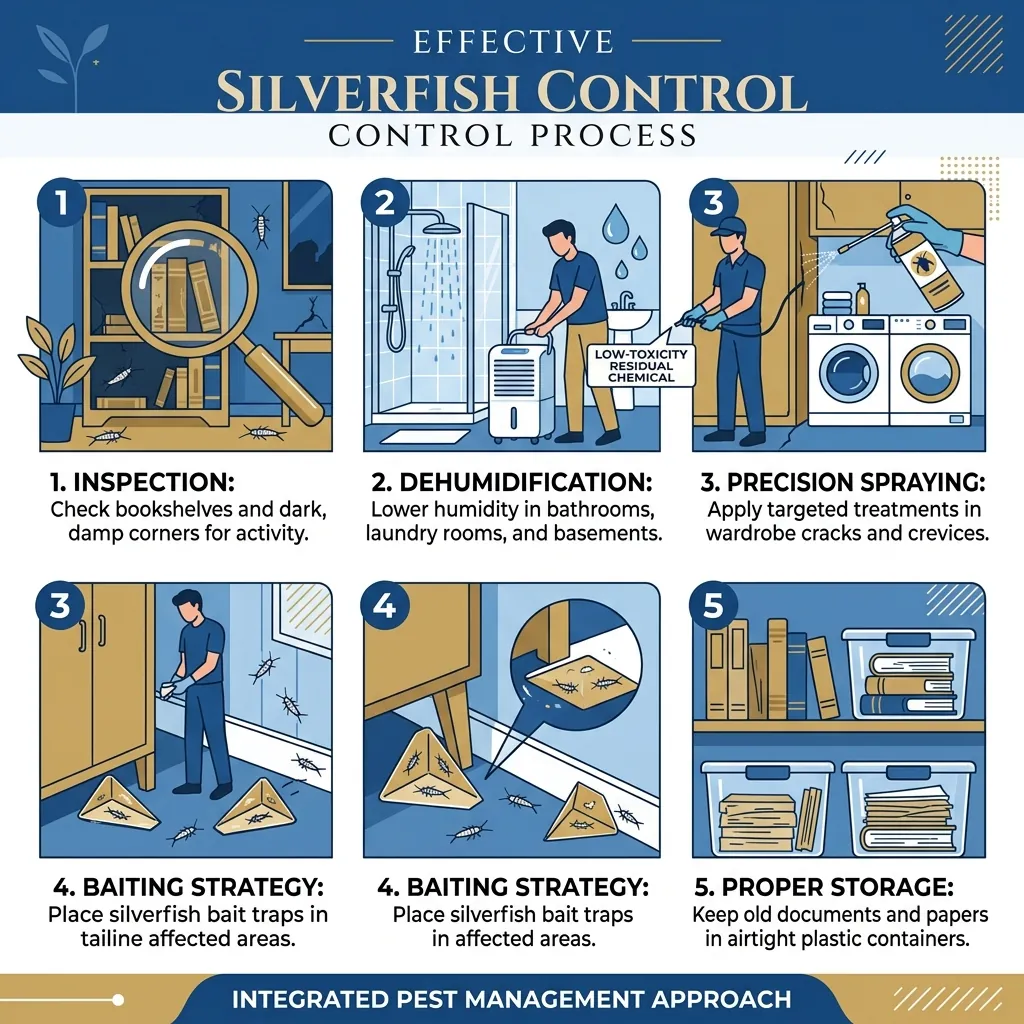
At TrustXcare, we implement an Integrated Pest Management (IPM) strategy that combines physical habitat adjustments, dehumidification advice, and targeted residual chemical treatments to eliminate silverfish.
!Professional Silverfish Control Process
Step 1: Comprehensive Site Inspection
Our technicians inspect your property, focusing on damp, dark areas such as bathrooms, laundry rooms, kitchen cabinets, bookshelves, and wardrobe interiors.
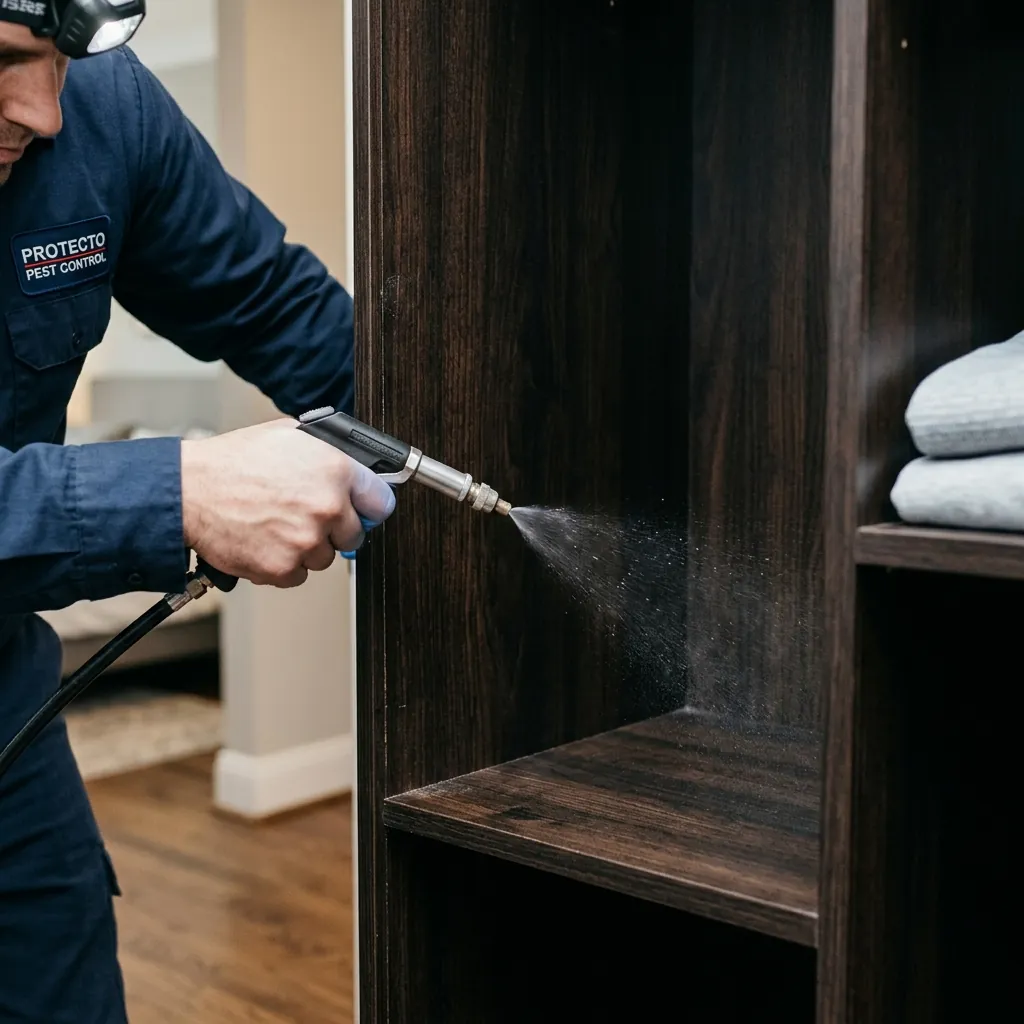
Step 2: Target-Specific Residual Sprays
We apply specialized, low-odor public-health residual insecticides into deep baseboard joints, pipe entries, and cupboard corners. These chemicals stick to the silverfish as they crawl, eliminating them.
Step 3: Dusting Crevices (Exclusion)
We use specialized dry chemical dusts (like boric acid formulations) behind electrical sockets, wall voids, and pipe shafts. This dry barrier remains effective for months.
Step 4: Silverfish Baiting
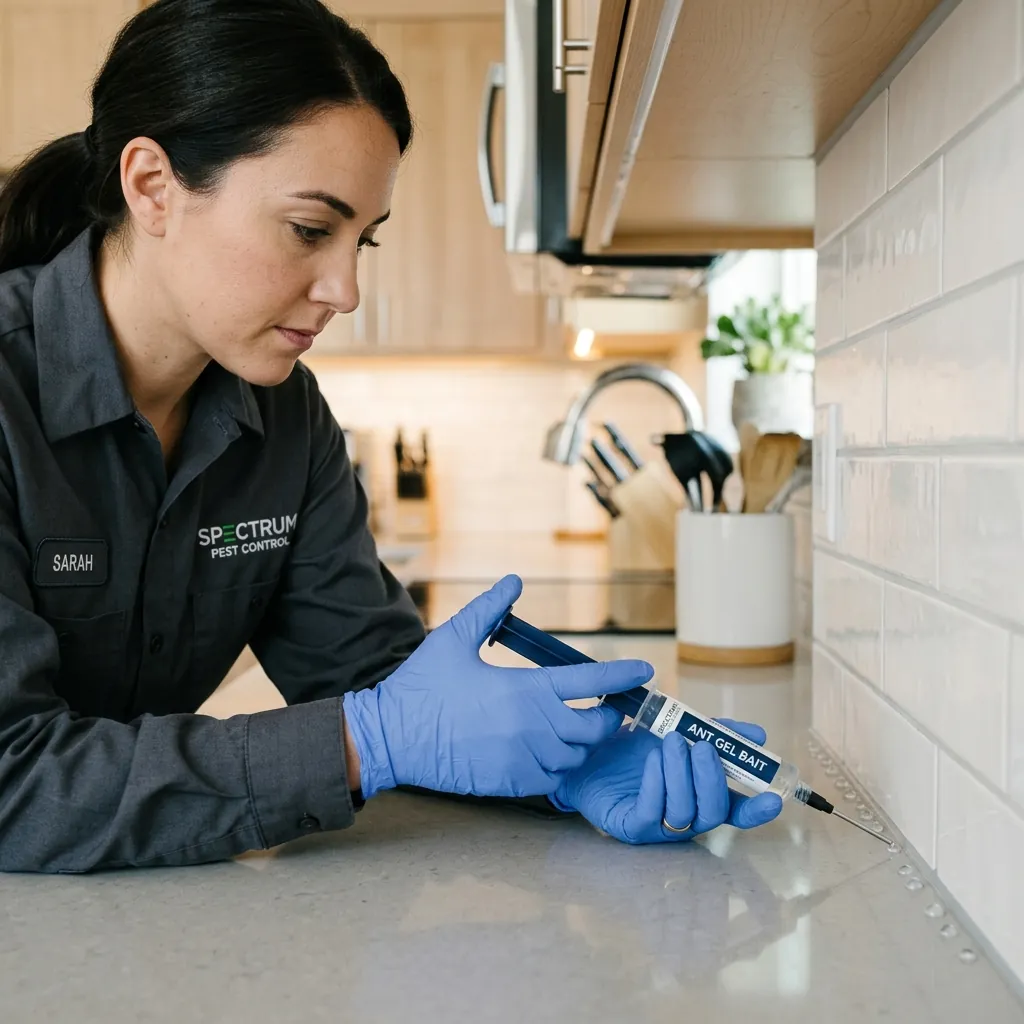
We place targeted silverfish gel baits and glue monitoring traps in dark corners to catch remaining pests and monitor activity levels.
Step 5: Moisture and Humidity Advice
We evaluate the ventilation in your home and provide recommendations on dehumidifying high-risk areas to prevent future infestations.
Chemical Residual Sprays vs. Boric Acid Dusting
Understanding the differences between these two primary professional treatments helps you choose the right approach for your property:
| Feature | Chemical Residual Barrier Spray | Boric Acid Dusting in Voids |
|---|---|---|
| Mechanism | Liquid contact spray that leaves an active barrier | Dry powder that damages the pest's digestive system |
| Application Area | Baseboards, cupboard bottoms, plumbing junctions | Behind wall sockets, electrical conduits, deep voids |
| Safety | Requires area clearance until dry | Safely sealed inside walls away from contact |
| Longevity | Active for 4 to 6 weeks | Remains active for months if kept dry |
| Target Stage | Fast-moving crawling adults and active nymphs | Hidden nymphs and adults nesting in wall voids |
| Moisture Impact | Not affected by minor humidity | Can clump if exposed to direct water leaks |
Estimated Silverfish Control Charges in Delhi NCR (2026)
Silverfish control pricing depends on home size, the number of wooden cupboards and bookshelves, and the treatment methods required:
| Property Size | Standard Spray Treatment (Single Service) | Premium Spray + Dusting + Warranty (Double Service) |
|---|---|---|
| 1 BHK / Apartment | ₹1,099 - ₹1,499 | ₹1,899 - ₹2,399 |
| 2 BHK / Apartment | ₹1,499 - ₹1,999 | ₹2,399 - ₹3,199 |
| 3 BHK / Apartment | ₹1,999 - ₹2,699 | ₹3,199 - ₹4,299 |
| 4 BHK / Duplex | ₹2,699 - ₹3,699 | ₹4,299 - ₹5,499 |
| Independent Villa | ₹3,699 - ₹4,999 | ₹5,499 - ₹7,999 |
Note: For corporate offices with archive file storage rooms, libraries, or document vaults, contact TrustXcare for a customized commercial quotation. AMC packages include quarterly inspections.
Preventive Maintenance: How to Protect Your Belongings
You can protect your books, documents, and clothes by taking these practical preventive steps:
- 1Store Papers in Plastic Bins: Keep old family records, certificates, and books in airtight plastic storage containers rather than cardboard boxes.
- 1Dehumidify Damp Areas: Use exhaust fans in bathrooms and kitchens. Use a portable dehumidifier in dark basement areas to keep humidity below 50%.
- 1Store Food Safely: Keep flour, oats, pasta, and cereals in airtight glass or plastic containers.
- 1Seal Wall Cracks: Use silicone sealant to seal gaps along baseboards, window trims, and pipe fittings.
- 1Clean Cupboards Regularly: Periodically empty and vacuum wooden closets and bookshelves to remove dust, food traces, and insect nests.
Common Myths vs. Facts About Silverfish
Let's clarify some common misconceptions about silverfish:
- Myth: Silverfish bite humans and carry diseases.
Fact: Silverfish do not possess biting mouthparts capable of piercing human skin and do not transmit diseases. They are strictly structural and aesthetic pests.
- Myth: Silverfish can fly.
Fact: Silverfish are completely wingless and cannot fly or jump. However, they are exceptionally fast crawlers, moving with a fluid, fish-like wiggle.
- Myth: Silverfish only eat paper.
Fact: While they prefer paper, silverfish also eat mold, dust, dandruff, human hair, dead insects, and synthetic fabrics.
Case Study: Library Protection at a Corporate Archive in Noida
The Problem: A corporate office in Sector 62, Noida, stored its historical contract records and tax files in a basement archive room. Due to a minor drainage leak nearby, the room's humidity rose, leading to a silverfish infestation. Several important paper files had been chewed and damaged, causing concern for the compliance team.
The Solution: The TrustXcare team cleared the affected archive shelves. We applied dry boric dust into the metal shelving joints and wall conduits, and treated the perimeter baseboards with a specialized low-odor residual spray. We advised the company to install a commercial dehumidifier and replace their cardboard storage boxes with heavy-duty plastic bins.
The Result: The silverfish infestation was eliminated. The archives are now dry and secure, and quarterly inspections ensure the records remain protected.
Frequently Asked Questions (20+)
1. Are the chemicals used for silverfish control safe for clothes in my wardrobe?
Yes. TrustXcare uses low-odor, public-health insecticides that do not stain fabrics. We advise removing your clothes before spraying and letting the cupboard dry completely before putting them back.
2. Can silverfish swim in water?
No. Although they move with a fish-like wiggle, silverfish cannot swim. They are land insects and can drown if trapped in standing water.
3. Why are silverfish called "silverfish"?
They are named for their metallic silver-grey color and their quick, fluid, side-to-side movements that resemble a swimming fish.
4. How long can a silverfish survive without food?
Silverfish are very resilient and can survive for up to a year without food, provided they have access to water or high humidity.
5. What temperature do silverfish prefer?
Silverfish thrive in warm temperatures between 21°C and 32°C, which matches the typical indoor temperature range in Delhi NCR.
6. Do silverfish eat cotton clothes?
Yes. Silverfish will feed on natural cotton, linen, and silk, especially if the clothes contain starches or sweat residues.
7. Can silverfish climb walls?
Yes. Silverfish can crawl up plaster, drywall, and wallpapered walls, though they struggle to climb smooth, polished glass or ceramic tiles.
8. Does household bleach kill silverfish?
Bleach kills silverfish on contact, but it does not reach their nests inside wall voids or keep new pests from entering.
9. What is the active ingredient in silverfish baits?
Most commercial silverfish baits use boric acid or hydramethylnon mixed with a starch-based attractant.
10. Do silverfish attract other pests?
Yes. Silverfish are a food source for predatory pests like spiders, centipedes, and earwigs.
11. Can silverfish hide behind baseboards?
Yes. Baseboard gaps provide dark, warm entryways where silverfish can nest close to the floor.
12. Does TrustXcare offer a warranty for silverfish control?
Yes. We offer a 3-month warranty on our premium double-service silverfish treatments, providing free re-treatment if they return.
13. Do silverfish breed in kitchen pantries?
Yes. Open packages of flour, sugar, oats, and starch-based foods are highly attractive to silverfish.
14. What are the best natural repellents for silverfish?
Natural oils like cedar oil, lavender oil, and cinnamon can help deter silverfish, though they do not eliminate established infestations.
15. How many eggs does a female silverfish lay?
A female silverfish lays about 1 to 3 eggs per day, hiding them in cracks and crevices.
16. Do silverfish nest under laminate flooring?
Yes. Laminate flooring with minor water damage or high humidity underneath can host silverfish nests.
17. How do I know if the damage was caused by silverfish or moths?
Moths typically feed on wool and heavy fabrics, leaving irregular holes in sweaters. Silverfish chew paper, wallpapers, silk, and cotton, leaving yellow stains.
18. Does TrustXcare serve Noida Extension and Greater Noida?
Yes. TrustXcare provides silverfish control and moisture inspection services across all sectors of Noida, Greater Noida, Gurgaon, Delhi, Ghaziabad, and Faridabad.
19. Do I need to empty my bookshelves before treatment?
Yes. For effective treatment of bookshelves, we ask you to temporarily remove all books so we can apply treatments to the back corners and joints.
20. Can silverfish live in air conditioning vents?
Yes. AC vents can collect dust and condensation, providing moisture and transport routes for silverfish.
Conclusion: Book a Free Inspection with TrustXcare Today
A silverfish problem can quietly damage your books, documents, and wardrobes. The longer they remain untreated, the more damage they cause, and their long lifespan allows them to persist for years.
Protect your valuables and restore your peace of mind. TrustXcare is Delhi NCR's premier ISO-certified pest management agency, combining targeted treatments, certified technicians, and written warranties.
Contact TrustXcare today to book a comprehensive site inspection and get a customized silverfish control plan.